
Album review by Clea-marie Thorne
There’s something about a Zakk Wylde record that never really changes. That’s exactly the point. With Black Label Society dropping their twelfth studio album Engines of Demolition on March 27, 2026, a 15-track swing through the last few years, you’re not here for reinvention. You’re here for weight. You’re here for riffs that feel like they’ve been dragged through concrete, doused in bourbon and set alight somewhere between a dive bar and a warzone.
This one’s been brewing for a while. Written and recorded in pieces between 2022 and 2026, even while Wylde was out doing laps with Pantera, it lands like a collection of moments rather than a single snapshot. Not disjointed, just lived in. Different scars, different headspaces, same bloke holding it all together. You can feel a bit of that Pantera energy bleeding in around the edges too. Nothing that rewrites the DNA, just a bit more bite in places, like the riffs have been sharpened over time.
Recorded at the Black Vatican, it sounds exactly like it should. Thick, unapologetic and loud without trying too hard. The guitars are still doing that signature Wylde thing. Squealing harmonics, slow-burning bends, solos that don’t just show off but hang around and get under your skin. There’s no rush here. Nothing chasing trends. It’ll outlast whatever’s trending this week on your feed. And it’s not just heavy for the sake of it either. There’s that doom-blues swing sitting underneath everything, that loose, almost southern groove that stops it from ever feeling stiff. It lurches instead of sprints, and that’s where the weight really lands. There’s still that mix of pentatonic blues grit and almost classical phrasing in the solos too. It’s not just noise, there’s history in it.
‘Name in Blood’ doesn’t just open the album, it lays the blueprint out straight away. If you’ve ever wondered what Black Label Society does in a nutshell, it’s that track. ‘The Gallows’ backs it up with another proper stomp. Big, chest-out energy. The kind of stuff built for sticky floors and fists in the air, not sitting quietly in a playlist.
‘Lord Humungus’ leans into that tongue-in-cheek swagger Wylde’s always had simmering away. A bit ridiculous, a bit menacing, and fully aware of both.
Then ‘Broken and Blind’ pulls things back just enough to let some air in. That’s where the mileage shows. Not burnout, just years. You can hear it in the phrasing, especially vocally. Wylde’s not just barking everything out anymore. There’s more control, more grit sitting behind it, picking its moments instead of going full tilt the whole time.
If you’re not already on board, yeah, you could say parts of it blur together. That’s always been the trade-off with BLS. Same engine, different roads. But if you’re in it, that familiarity feels more like ritual than repetition.
That shift really lands by the time it hits ‘Ozzy’s Song’. Closing on a ballad dedicated to Ozzy Osbourne could’ve gone full cheese, but it doesn’t. It sits somewhere between tribute and quiet reflection. Less arena moment, more last drink at the bar. It doesn’t push itself on you, it just sits there and lets it land when it lands. Knowing the history behind it, it hits heavier than you expect.
What makes this record work isn’t that it’s doing anything wildly different. It’s that it feels real. Four years of touring, recording, living, all stitched together without overthinking it. No gimmicks. No forced evolution. Just a band that knows exactly what it is and leans into it.
The only real shift is subtle. A slightly different vocal feel, a bit more space where it counts, a sense that Wylde’s choosing when to hit hard instead of filling every second. It doesn’t soften anything. If anything, it sharpens the impact.
This isn’t a reinvention. Never was meant to be. It’s a document. A scar log. A collection of years pressed into sound.
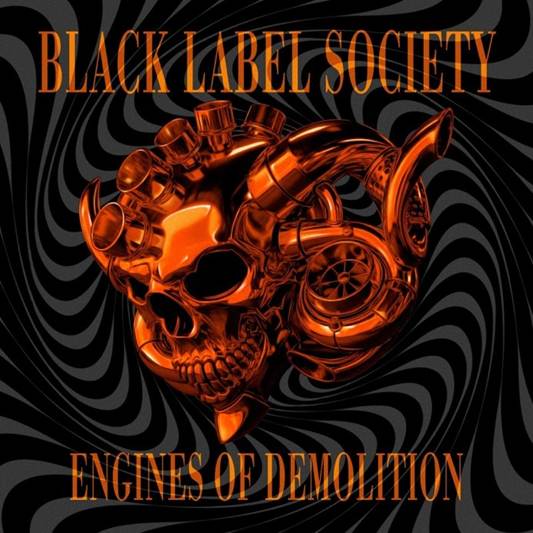
Black Label Society aren’t chasing anything. Never have been. They just keep showing up, turning it up, and letting it hit when it hits. And this one? This one lands a bit heavier than most. It grinds, tears and rolls straight over you and leaves its mark.
Engines of Demolition isn’t about the wreckage. It’s about what’s still standing after.